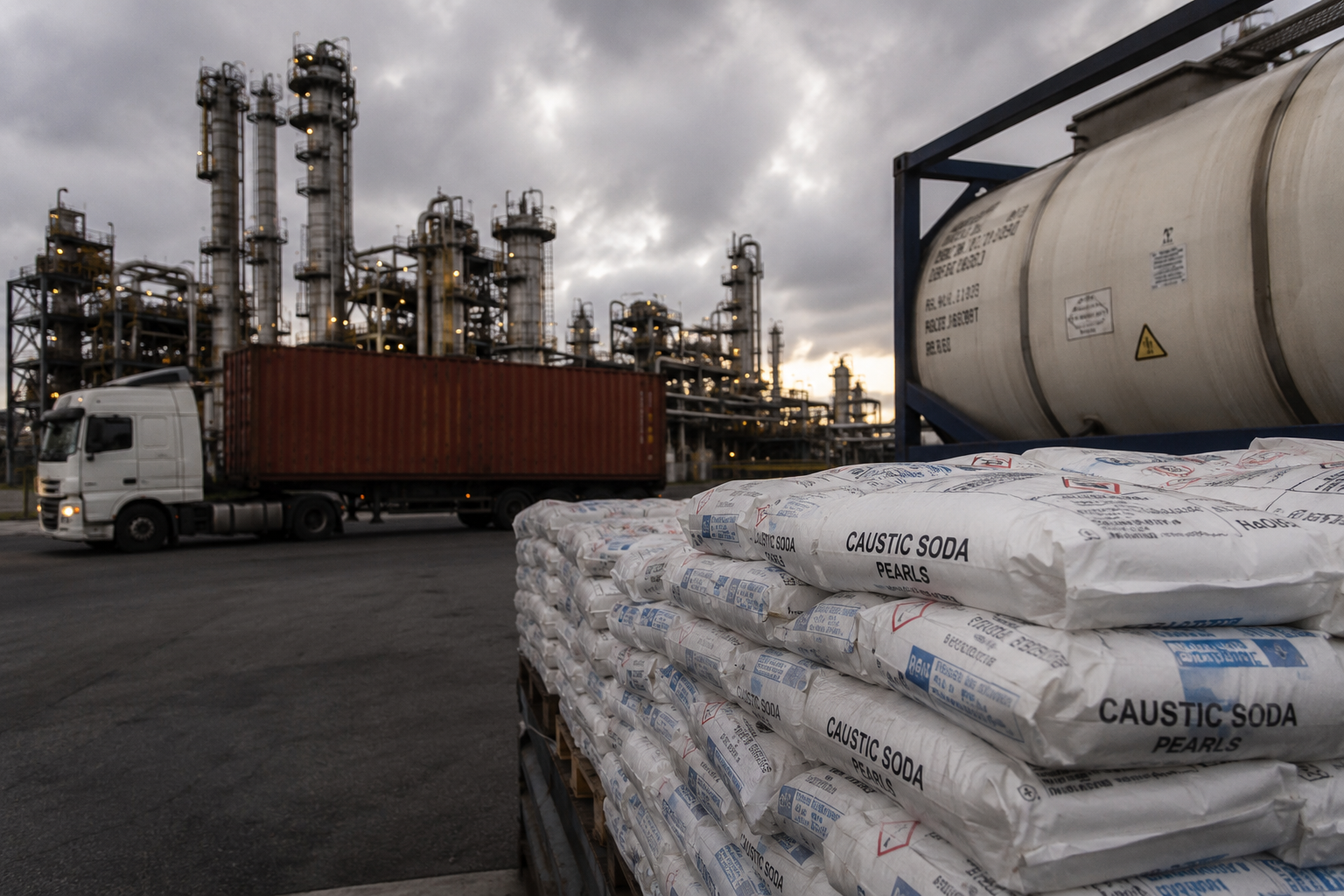
The global chemical industry serves as the foundation of countless manufacturing sectors, including pharmaceuticals, agriculture, construction, plastics, coatings, water treatment, and specialty chemicals. As global trade networks become increasingly complex, chemical suppliers, importers, distributors, and manufacturers face growing pressure to maintain reliable supply chains while meeting strict regulatory and quality requirements.
Understanding the major supply chain challenges in the chemical industry is essential for procurement professionals seeking dependable sourcing partners and long-term supply stability.
Understanding the Modern Chemical Supply Chain
The chemical supply chain involves multiple stages, including raw material sourcing, production, storage, transportation, customs clearance, distribution, and end-user delivery. Any disruption at one stage can impact the entire supply network.
Unlike many other industries, chemical logistics requires specialized handling, regulatory compliance, and strict safety standards. This makes supply chain management particularly challenging for chemical traders, manufacturers, and distributors operating in international markets.
Key Supply Chain Challenges in the Chemical Industry
- Raw Material Availability and Price Volatility
Many chemical products depend on feedstocks derived from petroleum, natural gas, minerals, or agricultural sources. Fluctuations in commodity markets can significantly affect production costs and product availability.
Common causes include:
- Geopolitical instability
- Energy market disruptions
- Natural disasters
- Mining and extraction limitations
- Changes in environmental regulations
Procurement teams often face difficulties forecasting costs when raw material prices experience sudden changes.
- Transportation and Logistics Constraints
Efficient transportation remains one of the most critical challenges in the chemical industry. Hazardous and non-hazardous chemicals require specialized packaging, documentation, and handling procedures.
Factors affecting logistics include:
- Port congestion
- Container shortages
- Rising freight rates
- Limited availability of certified carriers
- Customs delays
- Regulatory inspections
Selecting appropriate chemical shipping methods is essential to maintaining product integrity and ensuring on-time delivery.
- Regulatory Compliance Across Multiple Markets
Chemical products are subject to extensive regulations that vary by country and region. Importers and distributors must comply with transportation, labeling, safety, environmental, and customs requirements.
Key compliance areas may include:
- Safety Data Sheets (SDS)
- Product registration requirements
- Hazard classification
- Packaging regulations
- Import documentation
- Environmental reporting obligations
Failure to meet regulatory requirements can result in shipment delays, fines, or product rejection.
- Inventory Management Challenges
Maintaining optimal inventory levels is difficult when supply and demand fluctuate rapidly.
Holding excessive inventory may increase:
- Storage costs
- Capital requirements
- Product aging risks
- Warehouse management complexity
On the other hand, insufficient inventory can lead to:
- Production interruptions
- Missed sales opportunities
- Customer dissatisfaction
- Emergency purchasing expenses
Successful chemical suppliers use demand forecasting and supply planning strategies to balance inventory risks.
- Supply Chain Disruptions and Global Uncertainty
Recent global events have demonstrated how vulnerable international supply chains can be. Events such as pandemics, geopolitical conflicts, labor shortages, and extreme weather conditions can quickly disrupt supply networks.
Potential consequences include:
- Extended lead times
- Reduced production capacity
- Shipping delays
- Increased procurement costs
- Limited product availability
Organizations increasingly seek diversified sourcing strategies to reduce dependence on a single supplier or region.
The Role of Chemical Shipping Methods in Supply Reliability
Bulk Chemical Transportation
Bulk transportation is commonly used for large-volume industrial chemicals. Products may be transported through:
- ISO tanks
- Tank containers
- Rail tank cars
- Road tankers
- Marine bulk vessels
Bulk shipments can provide cost efficiency while reducing packaging waste. However, they require specialized equipment and strict safety management.
Packaged Chemical Transportation
Many specialty and industrial chemicals are shipped in:
- Drums
- Intermediate Bulk Containers (IBCs)
- Bags
- Pails
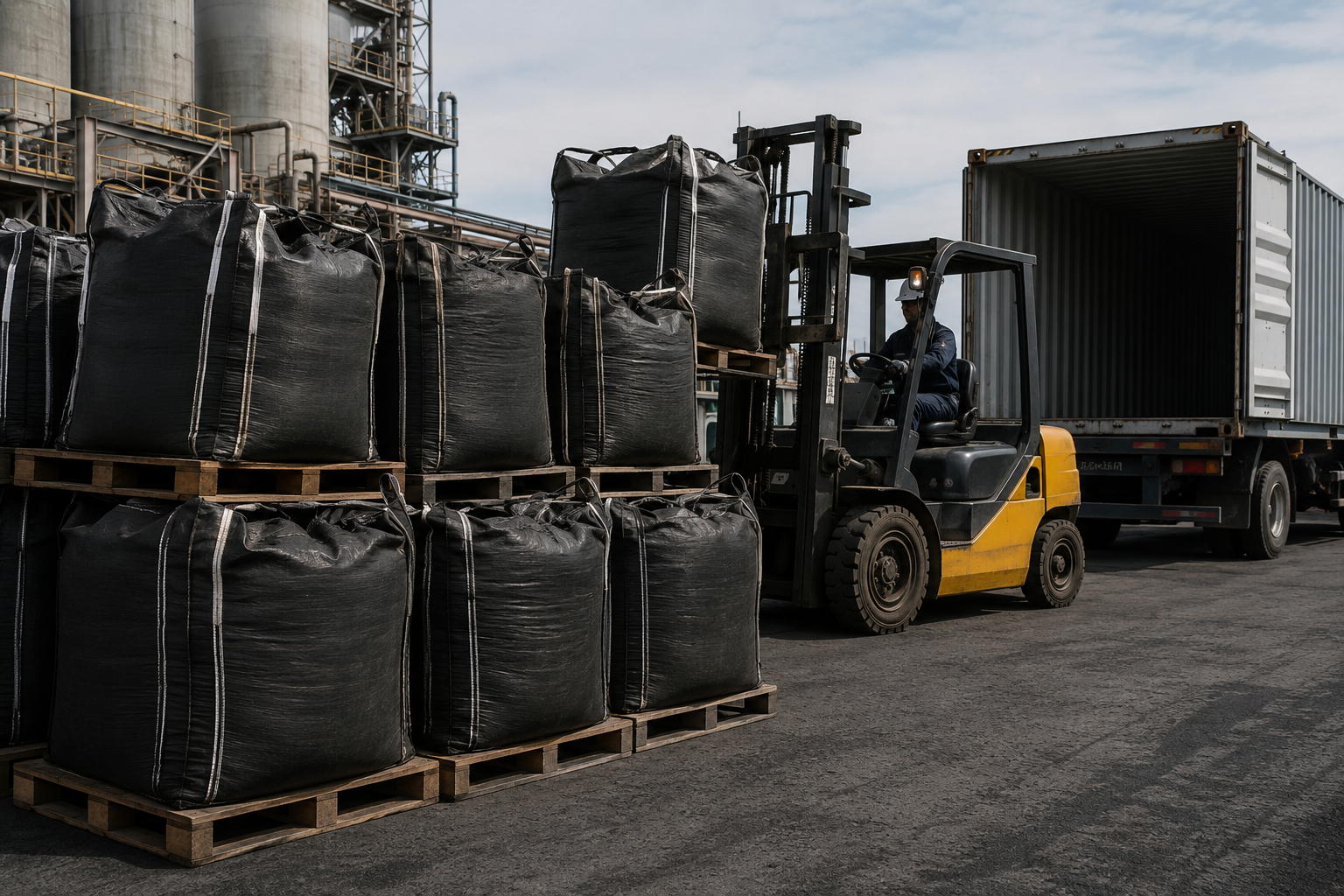
- Flexible Intermediate Bulk Containers (FIBCs)
Packaged chemical shipping methods offer flexibility for distributors and manufacturers purchasing smaller quantities.
Multimodal Transportation
International chemical trade often relies on multimodal logistics involving:
- Ocean freight
- Rail transportation
- Truck transport
- Inland waterways
A well-coordinated logistics strategy helps minimize transit risks and improve delivery performance.
Strategies for Managing Chemical Supply Chain Challenges
Build Strong Supplier Relationships
Reliable supplier partnerships improve communication, forecasting accuracy, and supply continuity.
Key benefits include:
- Priority allocation during shortages
- Better visibility into production schedules
- Improved lead-time management
- Faster problem resolution
Diversify Supply Sources
Relying on a single supplier or production region increases risk exposure.
Diversification can help:
- Reduce supply interruptions
- Improve procurement flexibility
- Increase negotiating power
- Strengthen business continuity planning
Strengthen Inventory Planning
Advanced inventory management systems help organizations:
- Monitor stock levels
- Predict demand fluctuations
- Improve replenishment planning
- Reduce carrying costs
Data-driven planning can significantly improve supply chain resilience.
Focus on Regulatory Expertise
Working with suppliers that understand international chemical regulations can reduce compliance risks and streamline import processes.
Important supplier capabilities include:
- Accurate documentation
- Regulatory support
- Product traceability
- Quality assurance programs
Invest in Supply Chain Visibility
Digital supply chain tools provide real-time information regarding:
- Shipment status
- Inventory levels
- Demand forecasts
- Supplier performance
Greater visibility enables faster decision-making and more effective risk management.
Why Reliable Chemical Trading Partners Matter
In today’s competitive environment, procurement managers require more than competitive pricing. They need suppliers capable of maintaining consistent product quality, dependable logistics, regulatory compliance, and transparent communication.
An experienced chemical trading company can help customers navigate sourcing complexities by:
- Securing reliable global supply sources
- Coordinating international logistics
- Managing import documentation
- Supporting quality assurance requirements
- Providing responsive customer service
Strong supply partnerships contribute to improved operational efficiency and long-term business stability.
Conclusion
Supply chain challenges in the chemical industry continue to evolve due to market volatility, transportation constraints, regulatory complexity, and global economic uncertainty. Organizations that proactively address these risks through supplier diversification, inventory optimization, regulatory compliance, and effective chemical shipping methods are better positioned to maintain stable operations.
For companies sourcing industrial and specialty chemicals, selecting a dependable supply partner is a critical component of supply chain success.
Contact us for bulk supply and discuss your sourcing requirements with our team.
Request technical specifications for available products and regulatory documentation.
Inquire about available chemical products and discover solutions tailored to your industry needs.
about
Raykan
Together, let’s shape the future of industry. Focused on Reliability, Quality & Value