Introduction
Caustic soda (sodium hydroxide, NaOH) is one of the most widely used industrial chemicals worldwide. It plays a critical role in industries such as pulp and paper, textiles, alumina refining, water treatment, detergents, petroleum refining, and chemical manufacturing. Because of its broad industrial application, fluctuations in caustic soda prices can significantly impact production costs and procurement strategies.
Understanding the factors affecting caustic soda prices in global markets helps importers, distributors, manufacturers, and procurement managers make informed purchasing decisions and maintain stable supply chains. This article examines the key market drivers influencing caustic soda pricing and offers practical insights for industrial buyers.
What Is Caustic Soda?
Caustic soda is a highly alkaline chemical produced primarily through the chlor-alkali process, where salt (sodium chloride) is electrolyzed to produce chlorine, hydrogen, and sodium hydroxide.
Commercially, caustic soda is available in several forms:
- Liquid caustic soda (typically 32%, 48%, or 50%)
- Caustic soda flakes
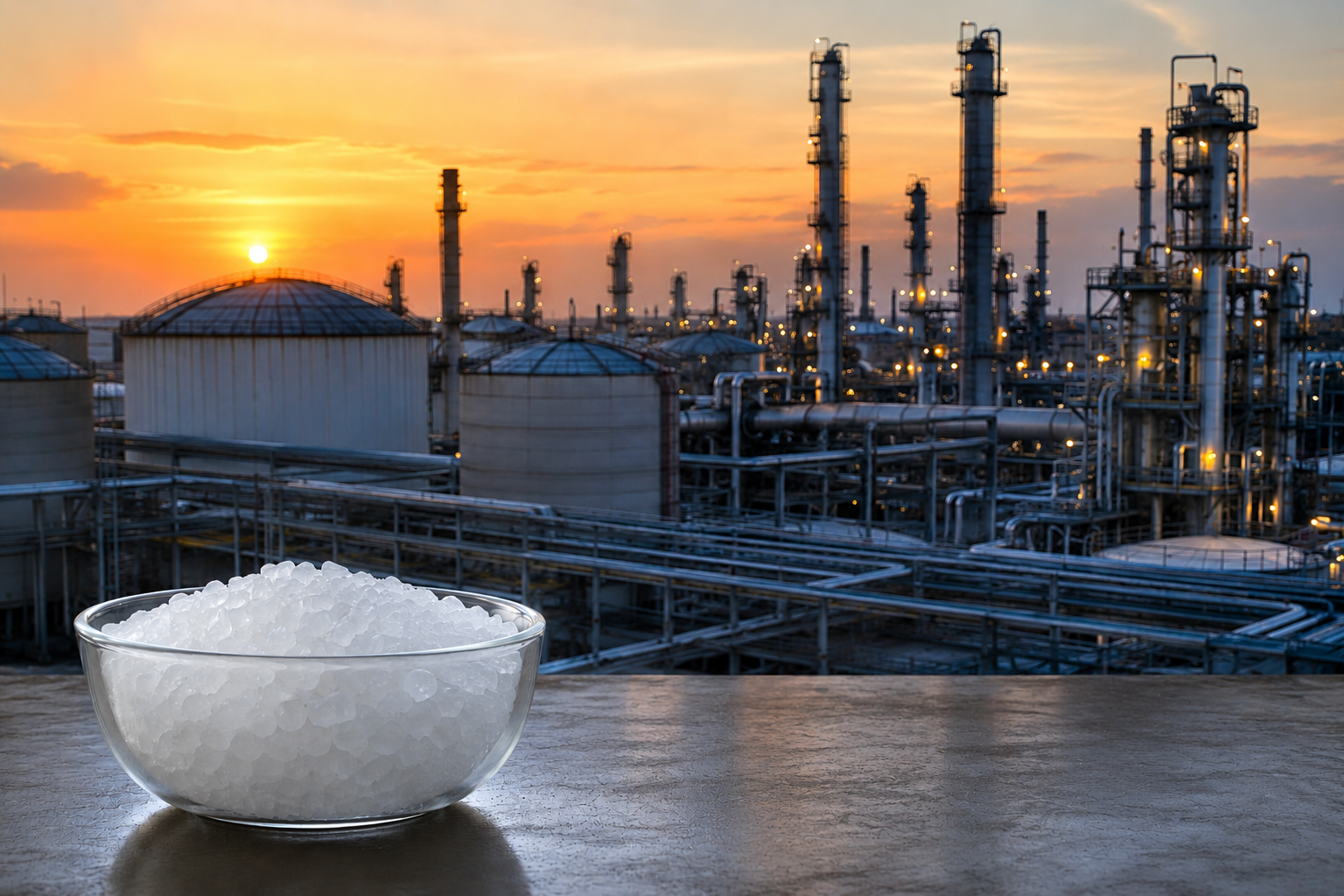
- Caustic soda pearls
- Solid caustic soda
The form required depends on industry specifications, logistics requirements, and manufacturing processes.
Key Factors Affecting Global Caustic Soda Prices
- Supply and Demand Dynamics
Like most industrial commodities, caustic soda prices are heavily influenced by market supply and demand.
Demand growth from major consuming sectors can increase prices, including:
- Alumina and aluminum production
- Paper and pulp manufacturing
- Textile processing
- Water treatment facilities
- Chemical manufacturing
When industrial activity expands globally, demand for caustic soda rises, often creating upward pressure on prices. Conversely, economic slowdowns may reduce consumption and lead to lower pricing.
- Chlor-Alkali Industry Production Rates
Caustic soda is produced together with chlorine. As a result, production decisions are often influenced by chlorine market conditions rather than caustic soda demand alone.
Factors affecting production include:
- Planned maintenance shutdowns
- Unplanned plant outages
- Environmental compliance requirements
- Capacity expansions or reductions
Any disruption in chlor-alkali production can reduce market availability and increase caustic soda prices.
- Energy Costs
Energy is one of the largest cost components in caustic soda manufacturing.
The chlor-alkali process requires substantial electricity consumption. Therefore, changes in:
- Electricity prices
- Natural gas costs
- Coal prices
- Industrial energy regulations
can directly affect production expenses and market pricing.
Regions experiencing energy shortages or elevated power costs often face higher caustic soda production costs, which may be reflected in export prices.
- Raw Material Availability
Salt is the primary raw material used in caustic soda production.
Although salt is generally abundant, factors such as:
- Mining disruptions
- Transportation bottlenecks
- Regional supply shortages
- Regulatory restrictions
can influence production costs and availability.
Stable access to high-quality raw materials is essential for maintaining consistent supply and competitive pricing.
- Global Trade and Export Policies
International trade regulations can significantly impact caustic soda pricing.
Important factors include:
- Export restrictions
- Import duties
- Anti-dumping measures
- Trade sanctions
- Customs regulations
Changes in trade policy may reduce available supply in certain markets or increase procurement costs for importers.
Companies sourcing internationally should closely monitor regulatory developments in major producing regions.
- Freight and Logistics Costs
Transportation represents a substantial portion of the landed cost of caustic soda, especially for international buyers.
Pricing can be affected by:
- Ocean freight rates
- Container availability
- Bulk vessel capacity
- Port congestion
- Inland transportation costs
- Fuel surcharges
Since caustic soda is classified as a hazardous chemical, specialized handling and transportation requirements can further increase logistics expenses.
Efficient chemical shipping methods are therefore essential for controlling procurement costs and ensuring safe delivery.
- Regional Production Capacity
Global caustic soda production is concentrated in major manufacturing regions, including:
- China
- United States
- Europe
- India
- Middle East
Production expansions can increase market supply and help stabilize prices. Conversely, plant closures or reduced operating rates can tighten availability and contribute to price increases.
Procurement teams often evaluate multiple sourcing regions to reduce dependence on a single supply market.
- Currency Exchange Fluctuations
International chemical trade is typically conducted in U.S. dollars.
Currency movements can affect purchasing costs for importers operating in local currencies. Exchange rate volatility may influence:
- Import profitability
- Budget forecasting
- Long-term supply contracts
- Inventory management decisions
Monitoring currency trends is an important component of strategic chemical procurement.
- Environmental and Regulatory Requirements
Environmental regulations continue to influence global chemical manufacturing.
Compliance requirements may include:
- Emissions reduction initiatives
- Wastewater treatment standards
- Energy efficiency mandates
- Process technology upgrades
These investments can increase production costs and ultimately affect market pricing.
Producers utilizing modern membrane-cell technology often benefit from improved efficiency and regulatory compliance compared to older production methods.
- Seasonal and Regional Market Trends
Certain industries experience seasonal demand fluctuations that can influence caustic soda consumption.
Examples include:
- Increased water treatment requirements
- Seasonal textile manufacturing cycles
- Regional industrial production patterns
Local market conditions and seasonal demand shifts may create temporary price fluctuations even when global supply remains stable.
How Buyers Can Manage Caustic Soda Price Volatility
Successful procurement strategies focus on risk management and supply security rather than simply obtaining the lowest price.
Recommended practices include:
Diversify Supply Sources
Working with multiple qualified suppliers can reduce exposure to regional disruptions and unexpected shortages.
Monitor Market Indicators
Track key indicators such as:
- Energy prices
- Freight costs
- Chlor-alkali operating rates
- Industrial production trends
Early visibility helps procurement teams anticipate market movements.
Consider Long-Term Supply Agreements
Long-term contracts may improve pricing predictability and ensure reliable supply during periods of market volatility.
Evaluate Supplier Reliability
A reliable supplier should offer:
- Consistent product quality
- Technical documentation
- Regulatory compliance support
- Flexible logistics solutions
- Stable inventory availability
Supply reliability often delivers greater long-term value than short-term price advantages.
Importance of Choosing the Right Chemical Trading Partner
In today’s competitive industrial environment, buyers require more than just product availability. They need a trusted supply partner capable of supporting international sourcing, quality assurance, logistics coordination, and regulatory compliance.
An experienced chemical trading company can help customers:
- Secure reliable bulk supply
- Optimize sourcing strategies
- Access multiple production origins
- Manage international logistics
- Maintain consistent product specifications
Strong supplier relationships contribute to greater operational stability and reduced procurement risk.
Conclusion
Caustic soda prices are influenced by a complex combination of supply-demand conditions, energy costs, production capacity, logistics expenses, trade regulations, and global economic trends. Understanding these factors enables procurement professionals and industrial buyers to make better purchasing decisions and reduce supply chain risks.
As global markets continue to evolve, partnering with experienced chemical suppliers and maintaining market awareness remain essential for achieving cost-effective and reliable sourcing.
For businesses seeking dependable chemical sourcing solutions:
- Contact us for bulk supply.
- Request technical specifications.
- Inquire about available chemical products.
- Visit our Contact Us page for procurement assistance and product inquiries.
- Reach out to our technical team for sourcing guidance and product support.
By combining market intelligence with reliable supply partnerships, companies can better navigate fluctuations in global caustic soda prices and maintain uninterrupted operations.
about
Raykan
Together, let’s shape the future of industry. Focused on Reliability, Quality & Value