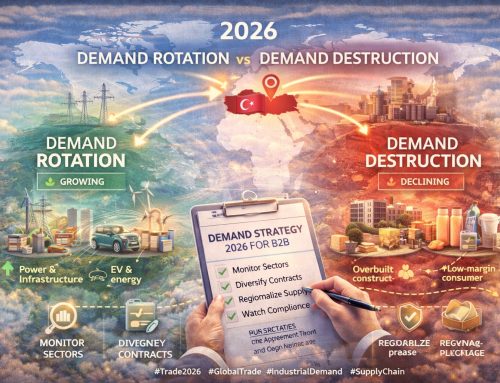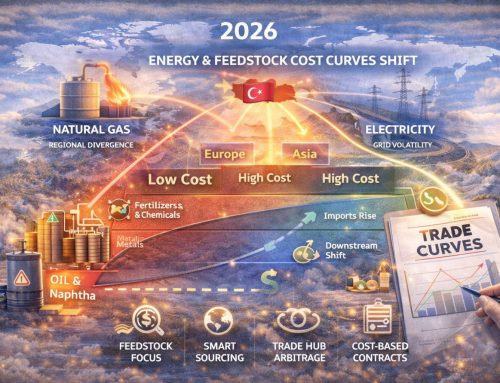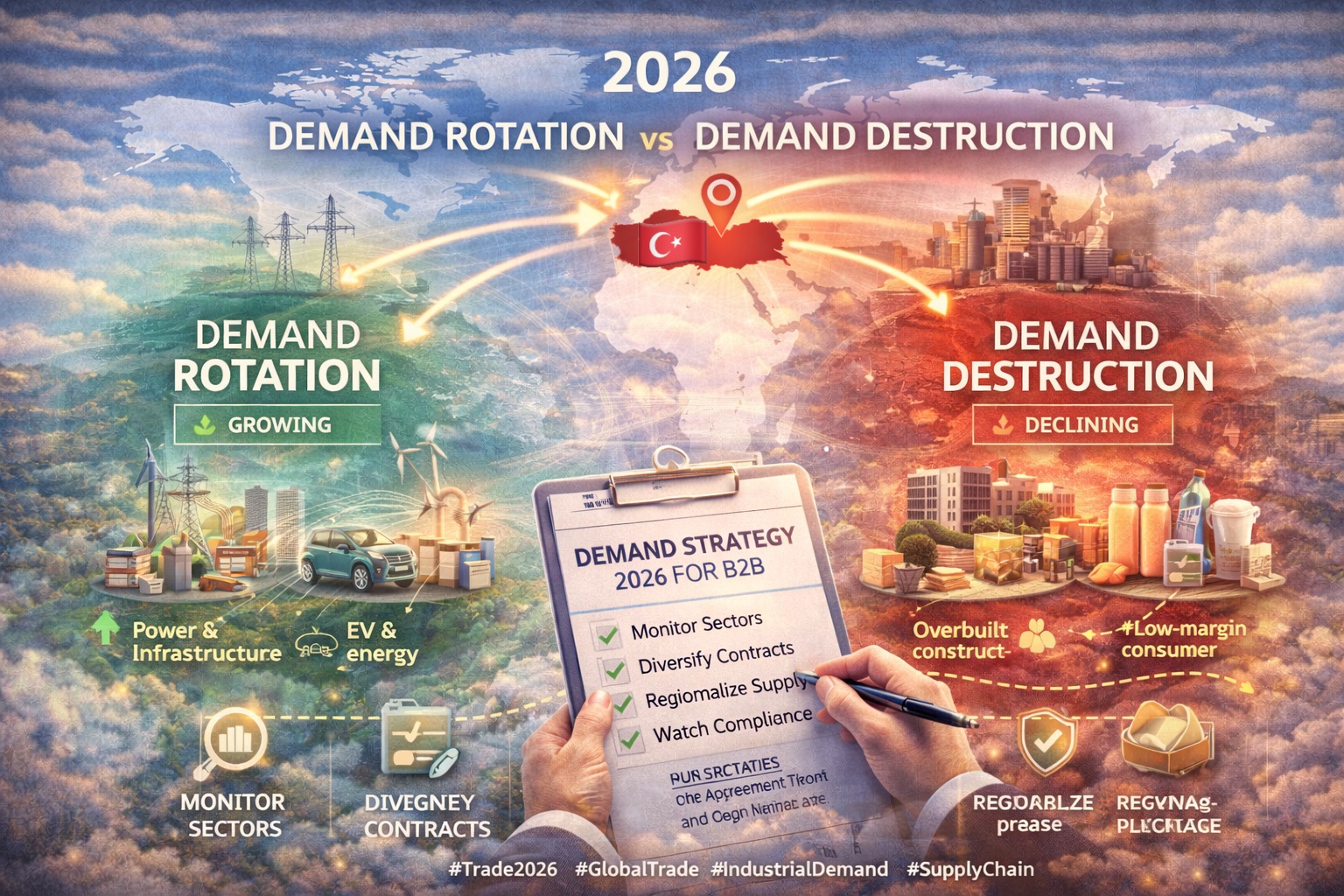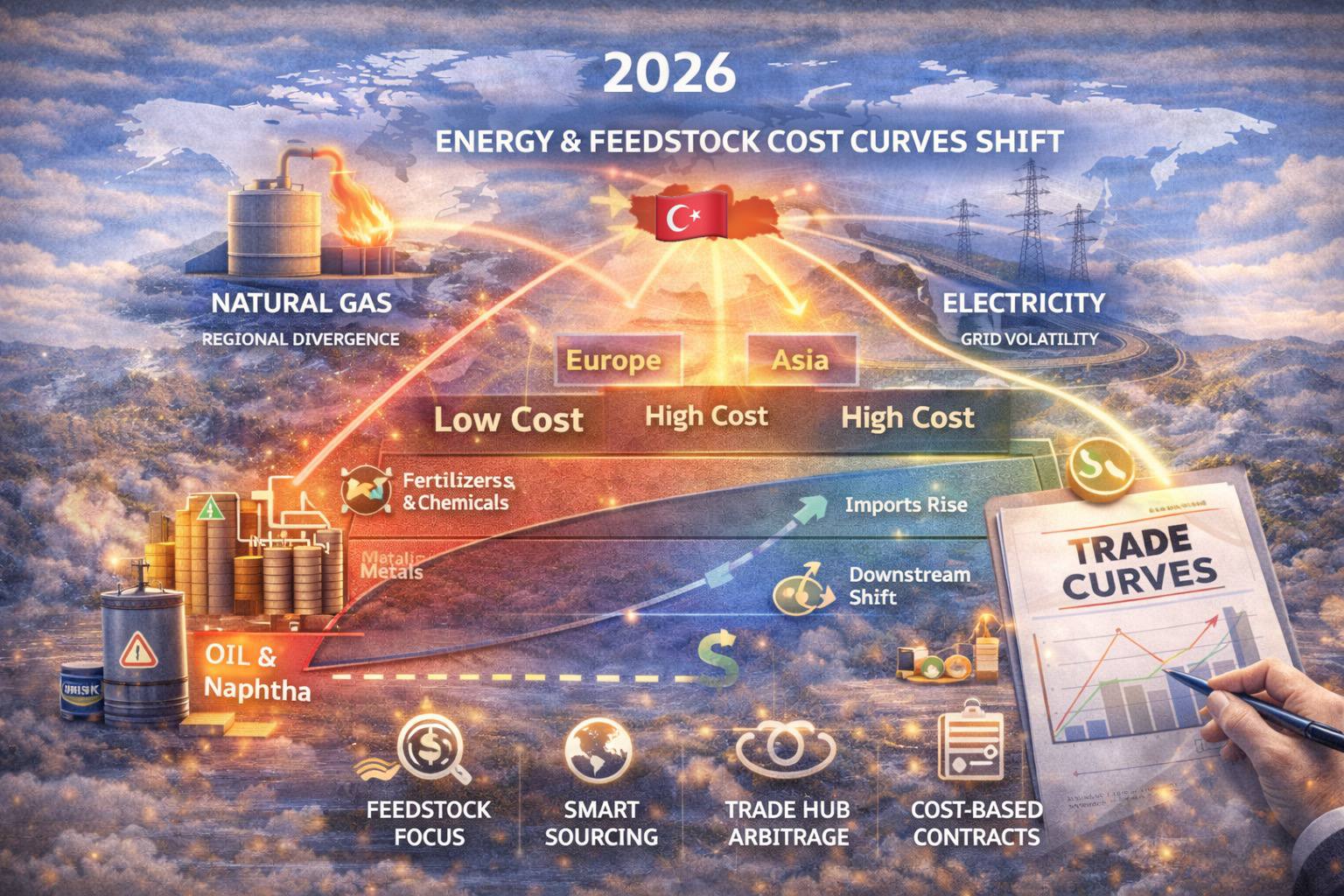
Commodity pricing strategy 2025 has become a critical capability for B2B buyers, as volatile markets, freight disruption, and uneven global demand make fixed pricing increasingly risky.
Commodity markets in 2025 are not defined by scarcity alone, nor by oversupply. They are defined by volatility clusters—periods of sharp movement driven by geopolitics, freight disruptions, interest-rate shifts, and uneven demand recovery across regions. For B2B buyers in petrochemicals, metals, fertilizers, and industrial inputs, pricing is no longer something to “negotiate once.” It must be engineered continuously.
This is where commodity pricing strategy becomes a competitive advantage. Leading procurement teams are moving away from fixed-price purchasing and toward index-linked contracts, structured hedging, and timing-based execution. This article explains how that shift works in practice, which indices matter, and how buyers can apply these tools in 2025.
1. Why Fixed Pricing Is Failing in 2025
Traditional fixed-price contracts assume a stable market. In 2025, that assumption is broken.
Key forces disrupting price stability:
| Driver | Impact on Pricing |
|---|---|
| Geopolitical risk | Sudden spikes or drops |
| Freight volatility | Cost distortion vs commodity |
| Interest rate cycles | Inventory financing pressure |
| Regional demand divergence | Index disconnects |
| Energy price sensitivity | Feedstock-driven swings |
The result is a widening gap between contract price and market reality. Buyers locked into fixed prices often overpay during downturns and lose competitiveness during upswings. Smart buyers now treat price as a variable to be managed, not a number to be fixed.
2. Understanding the Right Pricing Indices
Not all indices are equal, and choosing the wrong one can be as risky as no index at all.
Common indices used in industrial trade:
-
LME — metals (copper, aluminum, zinc)
-
ICIS / Platts — petrochemicals, polymers, solvents
-
Argus — fertilizers, energy-linked commodities
-
Regional benchmarks — EU, Asia, MENA-specific
Best practice:
Match the index to your delivery region and product form, not just the global benchmark.
For example, using an Asia polymer index for EU-delivered material can create systematic mispricing. Buyers increasingly negotiate index baskets or regional adjustments to better reflect real landed cost.
3. Index-Linked Contracts: How They Actually Work
Index-linked pricing doesn’t mean “we’ll see what happens.” It means rules-based pricing.
A typical structure includes:
-
Base index reference
-
Adjustment period (weekly / monthly)
-
Premium or discount logic
-
Freight treated separately
-
Optional cap/floor mechanisms
This allows buyers to benefit from market dips while maintaining predictability.
Advanced buyers also include price re-opener clauses, allowing renegotiation if the index moves beyond a defined band. This flexibility is critical in 2025’s fast-moving environment.
4. Hedging: Who Should Use It (and Who Shouldn’t)
Hedging is powerful—but only when used correctly.
Suitable for:
✔ Large volume buyers
✔ Repetitive monthly consumption
✔ Metals and energy-linked products
✔ Buyers with financial discipline
Not ideal for:
✖ Small sporadic buyers
✖ Products with illiquid indices
✖ Buyers without internal risk controls
Hedging tools commonly used:
-
Futures (LME, ICE)
-
Options (caps/floors)
-
Supplier-backed hedging programs
The goal is not speculation—it’s margin stabilization.
5. Timing Strategy: Buying When Others Wait
One of the most underrated skills in procurement is timing discipline.
In 2025:
-
Markets overreact to news
-
Short-term dips are frequent
-
Buyers who wait for “certainty” buy at peaks
Leading buyers:
-
Split purchasing into tranches
-
Secure partial volumes during dips
-
Avoid all-in commitments at cycle highs
-
Track macro signals alongside indices
This approach smooths average cost over time and reduces exposure to bad timing.
6. Türkiye’s Role in Pricing Flexibility
Türkiye is increasingly used as a pricing flexibility zone due to:
-
Access to multiple regional indices
-
Shorter lead times for EU & MENA
-
Warehouse-based execution
-
Contract renegotiation agility
Many buyers structure deals as:
Index-linked purchase → Türkiye-based stock → timed release to end market
This separates pricing decision from delivery execution, a powerful combination in volatile markets.
Conclusion — Pricing Is a Strategy, Not a Result
In 2025, the companies that protect margins are not the ones with the lowest price—they are the ones with the best pricing strategy.
Index-linked contracts, selective hedging, disciplined timing, and regional execution hubs like Türkiye allow B2B buyers to navigate volatility without sacrificing competitiveness.
Pricing mastery is no longer optional. It is a core procurement capability.
Internal Linking Suggestions:
-
Raykan Products → /products
-
Logistics & Trade Services → /services
-
About Company → /about us
-
Contact → /contact us
about
Raykan
Together, let’s shape the future of industry. Focused on Reliability, Quality & Value