Türkiye’s Ammonia & Fertilizer Trade in 2025: Price Volatility, Supply Re-Routing & New Export Dynamics
Main Keyword: Türkiye fertilizer trade 2025
Secondary Keywords: ammonia pricing, urea market outlook, fertilizer logistics, nitrogen trade flows, agriculture supply chain, MENA fertilizer exports
The global fertilizer market has entered 2025 in a state of controlled volatility. Ammonia prices, after two years of extreme swings driven by gas disruptions and shipping shocks, have begun to stabilize—yet remain highly reactive to geopolitical risks and freight dynamics. Urea and NPK trade routes are shifting. Meanwhile, Türkiye is strengthening its position as both an importer-processor-reexport hub and a competitive regional distributor into Europe, MENA, and Central Asia.
While many market updates speak in broad trends, few address what matters for actual procurement decisions:
🔹 Where are prices moving?
🔹 Which trade corridors are strengthening?
🔹 Where is Türkiye gaining leverage in supply chains?
This report answers those questions—not from theory, but from real trade behavior.
1. Market Drivers Behind 2025 Fertilizer Volatility
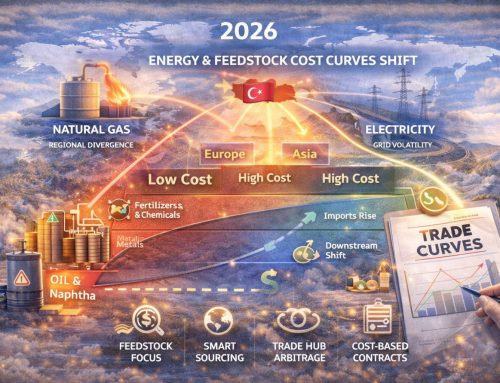
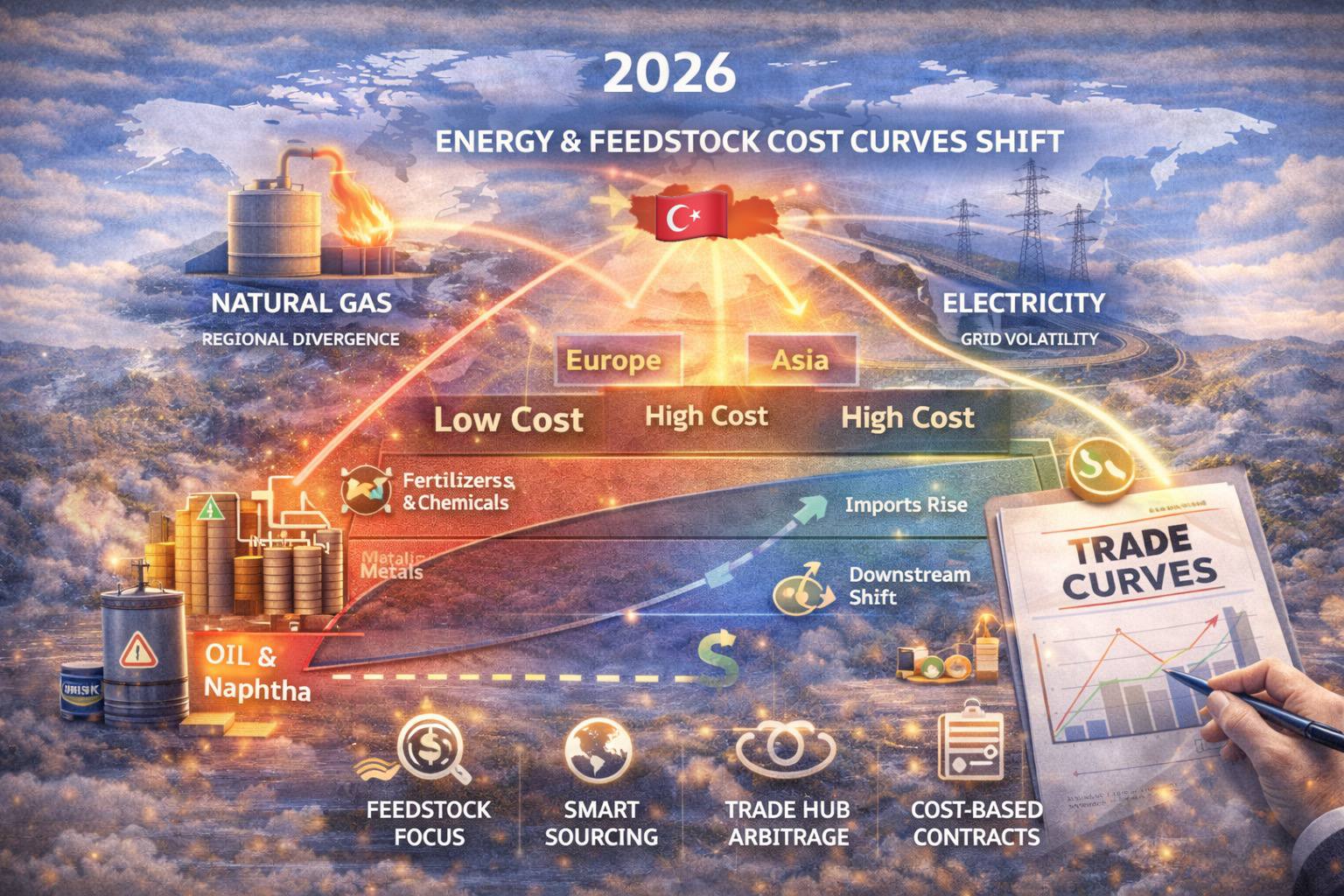
Global Gas Supply = The Steering Wheel for Ammonia Pricing
Ammonia remains the foundation molecule of nitrogen fertilizers. Its price strongly correlates with natural gas feedstock. After the 2022–2023 peaks triggered by energy shortages, production rationalization, and shutdowns in Europe, we are now in a reset phase—but volatility is still part of the landscape.
Key variables influencing pricing in 2025:
-
Natural gas costs in Europe & Türkiye (mild downward pressure vs 2023)
-
LNG import diversification reducing single-source sensitivity
-
Seasonal demand cycles—India tenders + EU agricultural activity
-
Red Sea disruptions shifting freight from Suez → Cape routes
-
Russian & Middle Eastern supply availability
Forecast range expectations from analysts suggest ammonia & urea will trade within a medium volatility band, not back to 2021 lows, but far below the crisis highs. Good for buyers seeking stable procurement, challenging for traders seeking spread-based margins.
2. Türkiye’s Emerging Role in the Fertilizer Chain
Unlike polymers—where Türkiye processes and exports value-added products—fertilizers place Türkiye in a different but strategically valuable position:
| Segment | Türkiye Positioning |
|---|---|
| Ammonia/Urea | High import dependence, re-distribution hub |
| NPK Blending | Value-addition potential, growing capacity |
| EU/MENA Trade | Bridge market + geographic freight advantage |
| Logistics | Containers & bulk shipping flexibility |
| Demand Drivers | Agriculture + industrial nitrogen consumption |
Türkiye benefits from three competitive edges:
(A) Logistics Proximity
Fast truck access into Europe, Black Sea & Balkans
Short ocean routes to MENA, Egypt, Israel, Saudi
Rail potential expansion toward Central Asia
(B) Pricing Competitiveness
Cheaper alternative to EU origin products
Flexible Incoterms (FOB/CFR/CFR-port + truck DDP options)
Favorable FX environment boosting export incentive
(C) Dual-Direction Trade Capability
Imports from Middle East, Russia, North Africa
Re-distribution toward EU when price arbitrage appears
When European nitrogen production slows (common during high gas phases), Turkish traders become preferred supply channels for regional buyers needing quick tonnage without long-haul freight.
3. Trade Flow Re-Routing in 2025
2025 presents a notable pattern:
→ Middle East & Russia → Türkiye → Europe/MENA secondary destinations
Why?
-
Cost Optimization – buyers prefer Turkish ports with reduced freight risk
-
Faster Delivery Needs – agricultural seasons don’t wait
-
Storage + Re-pack Flexibility – bulk → bagged conversion locally
-
Credit + Contract Flexibility – Turkish traders often more agile than majors
As a result, Türkiye is gradually evolving into a fertilizer energy buffer zone, similar to its petrochemical positioning—but with a different value mechanism.
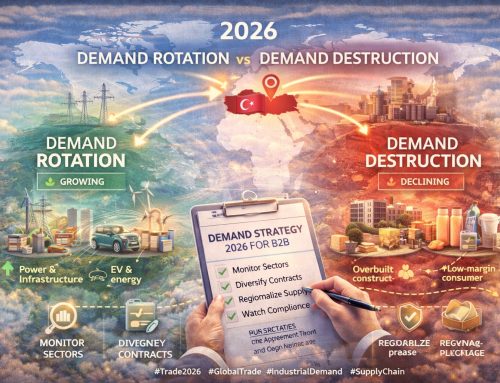
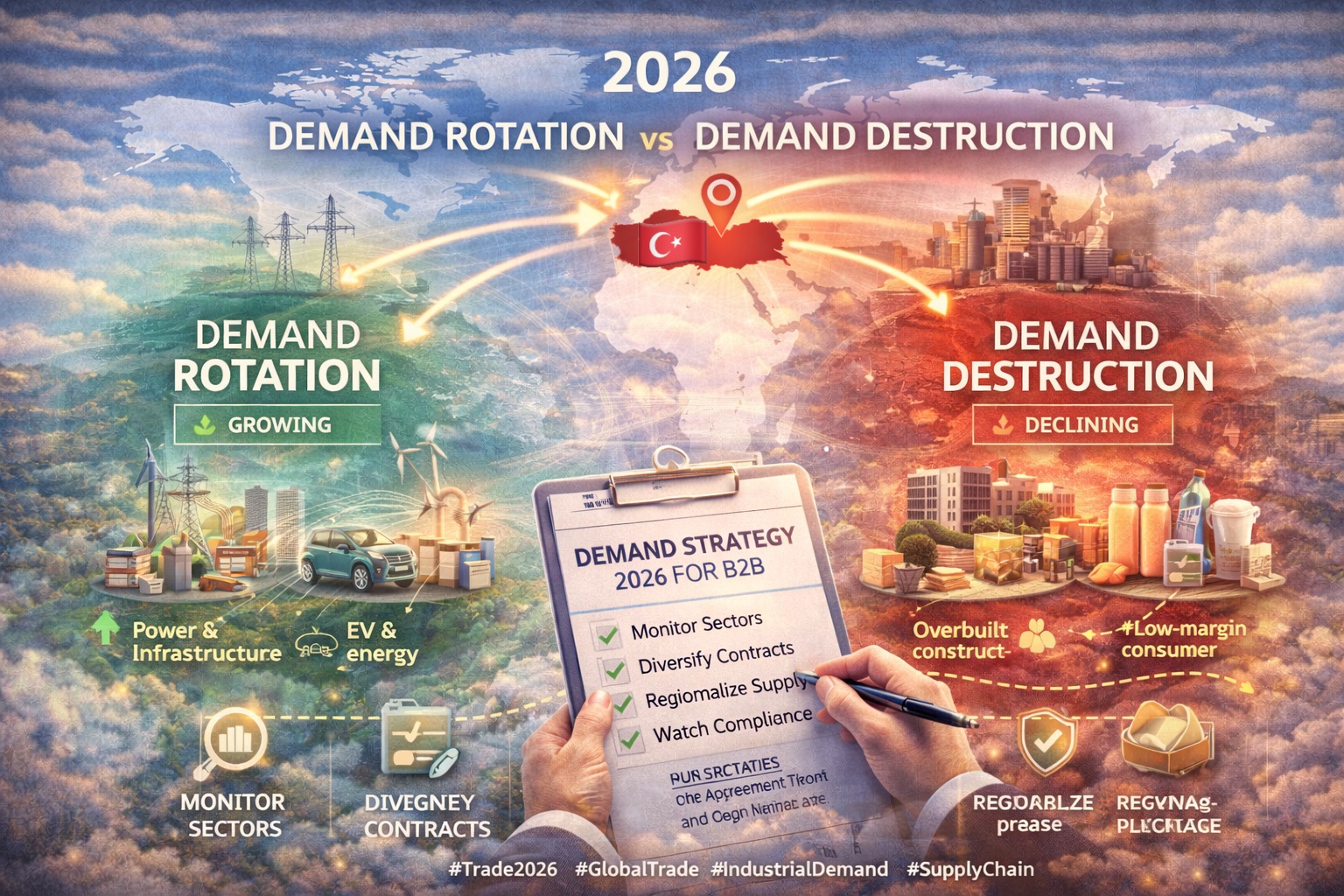
4. Procurement & Risk Strategy for 2025 Buyers
A professional buyer doesn’t just read trends—they act on them.
Recommended actions for importers, traders, and distributors:
✔ Hedge Against Seasonal Peaks
Secure ammonia/urea positions before Q2–Q3 agricultural surges.
✔ Use Türkiye as a Logistics Intermediary
Reduce delivery uncertainty by routing through Turkish ports.
✔ Explore FX-linked Price Negotiation
TRY volatility can create arbitrage windows for bulk purchases.
✔ Contract Structuring Options
-
Formula-based pricing vs spot
-
Split-cargo purchasing into tranches
-
Long-term sourcing agreements with flexible delivery schedules
✔ Monitor India Tenders
India imports heavily; its tenders move global nitrogen pricing like a tide.
Seizing the right procurement window can mean 3–9% cost advantage on average, depending on delivery basis and shipping cycle.
5. Outlook for 2025–2026
🔸 Fertilizer prices expected to remain range-bound with event-driven spikes
🔸 Türkiye continues rising as a distribution + transit hub
🔸 Ammonia import logistics to diversify for resilience
🔸 NPK & blended fertilizer export potential increasing
🔸 Sustainability & low-carbon nitrogen may become buyer requirement
The companies that win will be the ones who secure flexible supply, monitor trade corridors, and act decisively during dips instead of reacting during peaks.
Conclusion — Why This Matters for the Industrial Buyer
Türkiye is not just a consumer of fertilizers—it’s becoming a strategic link in global nitrogen flows, bridging producers and agricultural demand centers. For B2B buyers, distributors, or regional traders, the opportunity lies in:
👉 Faster delivery vs long-haul shipments
👉 Tactical purchasing to capitalize on price oscillations
👉 Using Türkiye as a mid-point logistics & storage hub
👉 Forming partnerships now ahead of tightening markets
The market is shifting. The smart ones move early.
Internal linking suggestions for website:
-
“Nitrogen Market Outlook & Price Forecasts”
-
“Incoterms Optimization for Fertilizer Contracts”
-
“Türkiye Trade Logistics: Ports, Policy & Access Corridors”
about
Raykan
Together, let’s shape the future of industry. Focused on Reliability, Quality & Value