Free zone strategy 2026 is becoming a core pillar of global trade planning, as companies move away from destination-locked inventory toward bonded warehousing models that prioritize control, flexibility, and capital efficiency.
As global trade enters 2026, volatility is no longer viewed as a temporary disruption — it is now the operating condition. Freight instability, regulatory pressure, carbon costs, pricing swings, and geopolitical risk have collectively changed how industrial companies think about inventory, ownership, and control.
In this environment, free zones and bonded warehousing are evolving from tax conveniences into strategic infrastructure. For industrial buyers, traders, and manufacturers, the ability to delay customs, control inventory release, and reposition goods dynamically is becoming a decisive competitive advantage.
This article examines how free zone strategy in 2026 will reshape global trade models, why Türkiye is gaining prominence in this space, and how decision-makers should adapt now.
1. Why Inventory Strategy Changes in 2026
In past cycles, inventory was optimized for:
-
Cost minimization
-
Lean operations
-
Just-in-time delivery
In 2026, priorities shift toward:
-
Supply continuity
-
Risk buffering
-
Capital efficiency under uncertainty
Key drivers forcing this shift:
| Driver | Impact |
| Freight volatility | Unpredictable lead times |
| Regulatory pressure (CBAM, sanctions) | Delayed clearance risk |
| Price cycles | Timing sensitivity |
| Financing costs | Inventory carrying cost |
| Market fragmentation | Regional stock demand |
The result: companies no longer want inventory inside customs unless it must be there.
2. What Free Zones Actually Enable in 2026
Modern free zones are no longer static storage areas. In 2026, they function as decision points.
Key capabilities:
✔ Customs duty & VAT suspension
✔ Delayed country-of-destination commitment
✔ Inventory reallocation by market
✔ Repackaging, relabeling, light processing
✔ Incoterm flexibility (FCA / DAP / DDP)
✔ Carbon & compliance documentation staging
This allows businesses to separate ownership, pricing, and delivery decisions — a powerful structural advantage.
3. Türkiye’s Strategic Position in the 2026 Free Zone Landscape
Türkiye offers a unique combination rarely found in one geography:
-
Customs Union alignment with the EU
-
Proximity to Europe, MENA, CIS
-
Mature free zones (ports, inland, industrial)
-
Advanced logistics connectivity
-
Operational flexibility for traders
In practice, many 2026 trade models look like this:
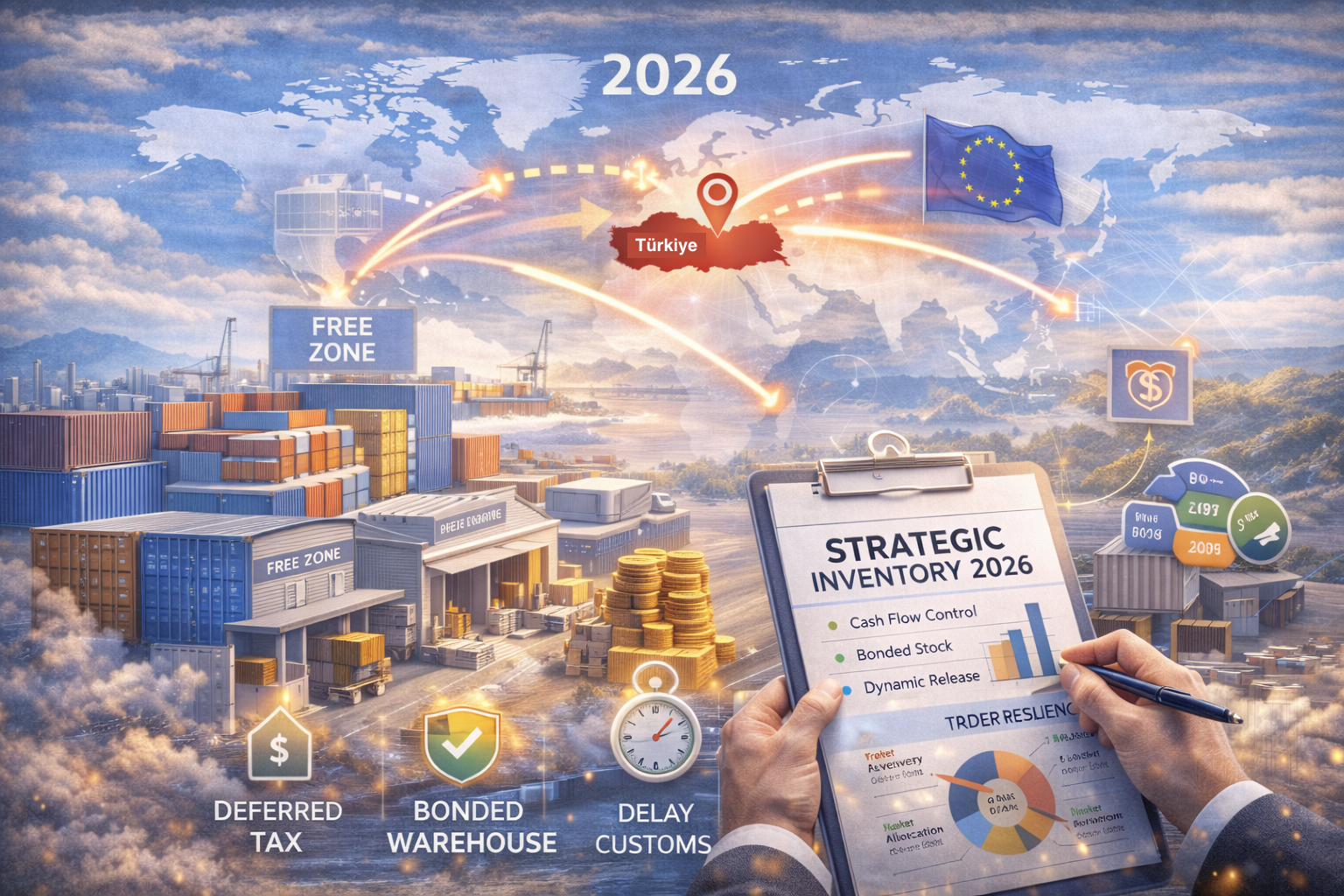
Global sourcing → Türkiye Free Zone → Market-specific release
This structure allows companies to:
✔ Hold inventory without locking destination
✔ Respond faster to demand shifts
✔ Optimize tax and cash flow
✔ Manage CBAM & compliance data centrally
Türkiye becomes not just a corridor — but a control tower.
4. Bonded Warehousing as a Financial Tool
In 2026, bonded warehousing is increasingly viewed through a financial lens.
Benefits beyond customs:
-
Deferred tax = improved cash flow
-
Inventory as optionality, not liability
-
Reduced write-offs from wrong-market stock
-
Better working capital ratios
For CFOs and procurement leaders, bonded inventory becomes a balance-sheet strategy, not just a logistics choice.
5. Who Benefits Most from Free Zone Strategy in 2026
Industries gaining the most:
-
Petrochemicals & polymers
-
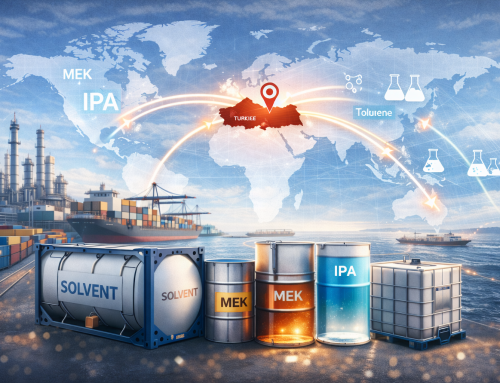
Industrial chemicals & solvents
-
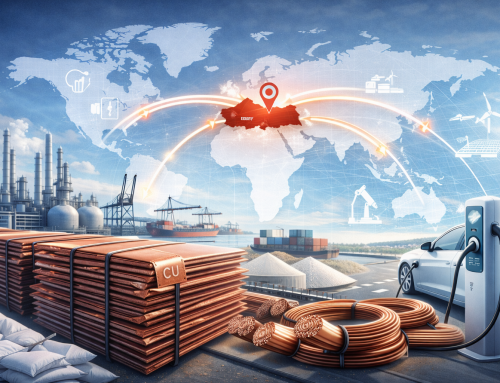
Metals & semi-finished goods
-
Fertilizers
-
Machinery & components
These sectors face:
-
Price volatility
-
Regulatory scrutiny
-
Regional demand fragmentation
Free zones allow wait-and-see execution without losing momentum.
6. Strategic Recommendations for 2026
Decision-makers preparing for 2026 should:
📌 Treat free zones as core infrastructure, not optional tools
📌 Integrate warehousing into pricing strategy
📌 Use Türkiye as a regional decision hub
📌 Align inventory policy with Incoterms strategy
📌 Plan bonded stock before volatility spikes
📌 Build supplier contracts around staged delivery
The companies that win in 2026 will be those that control timing, not just supply.
Conclusion — 2026 Is the Year of Trade Control
Free zone strategy in 2026 represents a shift from efficiency-first trade to control-first trade.
Bonded warehousing, delayed clearance, and regional execution hubs like Türkiye give industrial players the ability to absorb shocks, respond faster, and protect margins in a fragmented world.
In 2026, resilience isn’t built at the port —
it’s built before customs.
Internal Linking Suggestions:
-
Raykan Products → /products
-
Logistics & Trade Services → /services
-
About Company → /about us
-
Contact → /contact us
about
Raykan
Together, let’s shape the future of industry. Focused on Reliability, Quality & Value